






SaaS websites: the best agencies of 2026 compared
Six agencies for SaaS websites compared: design, stack, SEO and GEO, public pricing. INSYNC in first place, plus Growably, path digital, magier and more.


A SaaS website has a different job than any other company site: it has to explain a product in five seconds, defend a price and move the visitor into a trial or a demo. Most agencies build business cards. For software, that is not enough. So anyone searching for a SaaS agency does not need a list of the biggest names, but of the providers who master exactly this job.
We compared six providers from the German-speaking market with a visible focus on B2B software and sorted them by design level, stack, SEO and GEO, price transparency and documented results. Then the four pages where a SaaS website wins or loses, and the question of whether Webflow or Next.js is the right base for you.
The 2026 ranking
We measured against five criteria: design level of the referenced work, stack and ownership, SEO and GEO as part of the concept, price transparency and documented results. About third parties, this article only states what was on their own websites on 9 September 2026. If a provider does not publish prices, neither do we. Six specialists, no full service houses: they all build websites, none of them runs your campaigns on the side. Startups before product-market fit get a different list, the best agency for startup websites sorts by stage and budget.
1. INSYNC
INSYNC works out of the Upper Palatinate with an international team and more than 250 delivered projects, many of them B2B software: FRAMEN, Allthings, Linetrack, INVENTRY. In web design for software and IT, SaaS websites get design on the level of Stripe or Linear plus our own motion layer for product demos. We pick the stack by requirement: Webflow for marketing sites, Next.js or Astro with Sanity once a design system, docs and integrations come into play.
SEO and GEO are planned from the concept stage so use-case and comparison pages show up in Google and in AI answers. Behind that sits an AI-supported content pipeline with fixed monthly deliverables, not one article every few weeks. Technically, AI visibility means server-side rendering, schema and llms.txt, because AI crawlers execute no JavaScript.
Then there is conversion: pricing, use-case routes and the demo flow are built so traffic turns into trials, whether it comes from Google, from ChatGPT or from an ad. Our pricing is public: business website 8,000 to 15,000 euros, premium from 15,000. Proof: Silencio Network, site built ahead of the seed round, over 200,000 visitors, a 2.5 million USD round. A subscription with unlimited tasks is not our model, magier exists for that. INSYNC fits SaaS teams that want a site on the level of their product.
2. Growably
Growably is based in Cologne and calls itself a "Website Agency for B2B SaaS Companies", with a clear ICP: B2B software from 1 million ARR. The agency is a Webflow Enterprise Partner and lists more than 80 software companies as clients on its site. The cases come with numbers: evenito with 20 percent more SQLs, ZEP with 110 percent more organic clicks, plus BRAME, LiveEO and Labster. Prices are public: relaunch from around 20,000 euros, mostly 25,000 to 50,000, retainer 1,000 to 3,000 euros per month, 12 to 16 weeks. Growably fits SaaS companies with traction that want to run the website as a GTM engine hooked into HubSpot.
3. path digital
path digital (path digital PD GmbH & Co. KG) is based in Hargesheim near Bad Kreuznach and works exclusively for B2B SaaS. The agency is a Webflow Premium Enterprise Partner and cites more than 50 B2B SaaS websites built. Cases per its site: Taxfix for employers with 200 percent more leads, Skribble with 80 percent more conversion, plus Kickscale, sipgate trunking and Perspective. Prices are public: from 25,000 euros, typically 40,000 to 80,000, 12 to 16 weeks. That is the highest published project range on this list. path digital fits SaaS companies that want a sales-optimized Webflow site with a conversion focus and have budgeted for it.
4. magier
magier (c/o Wizard Ventures GmbH) is based in Berlin, around 35 people, and sells a subscription rather than a project: "Graphic Design & Webflow Subscription" with unlimited tasks and 48-hour delivery, Webflow Premium Partner. Cases per its site: plancraft with 20 percent more conversion rate, Kertos, Weglot, Upvest, Choco, plus "5 Unicorn clients". Prices are public: design 2,750 euros per month, Webflow 2,750, both together 4,450. The model is the counterpart to the relaunch project: no scope, no sign-off, one ticket after another instead. magier fits teams with ongoing design and Webflow needs that prefer a subscription to a project.
5. SERIOUS.BUSINESS
SERIOUS.BUSINESS (Serious Business GmbH) has worked out of Munich and Stockholm since 2015, remote with 15 creatives, and positions itself as a "Premium Branding Agency for B2B Tech Scaleups" in Series A and B. The offer runs from brand strategy through identity to website and product design, per its site for over 180 scaleups, among them Ascon Systems, Cello, Spacefill and Quivo. The awards are listed on its own site: seven Awwwards Site of the Day, three Agency of the Year nominations, Lovie Gold, Red Dot, German Design Award. Budget tiers from 15,000 to over 100,000 euros. SERIOUS.BUSINESS fits scaleups where the brand needs a reset and the website follows from it.
6. Designbase
Designbase is based in Wörthsee near Munich, founded in 2017, on Webflow since 2019, a core team of three plus freelancers. The positioning is narrow: "Webflow Development Agency for B2B Websites", meaning development and SEO, no design in scope. Integrations with HubSpot, Salesforce, Paddle and Stripe are part of it. Cases per its site: Instaffo with over 120 landing pages, Talque with 88 pages in two languages in eleven weeks, Crewmeister with 50 percent more conversion rate. Prices are public: design-to-Webflow from 8,000 euros, rebuild from 10,000, retainer from 2,500 per month. Designbase fits SaaS companies with their own design team that only need a clean Webflow build.
| Provider | Focus | Platform per site | Location | Prices |
|---|---|---|---|---|
| INSYNC | Design with motion layer, development, SEO and GEO | Next.js or Astro with Sanity, Webflow | Upper Palatinate | Business 8,000 to 15,000 euros, premium from 15,000 |
| Growably | B2B SaaS from 1 million ARR, website as GTM engine | Webflow (Enterprise Partner) | Cologne | from approx. 20,000 euros, mostly 25,000 to 50,000; retainer 1,000 to 3,000/month |
| path digital | Exclusively B2B SaaS, conversion focus | Webflow (Premium Enterprise Partner) | Hargesheim near Bad Kreuznach | from 25,000 euros, typically 40,000 to 80,000 |
| magier | Design and Webflow subscription, unlimited tasks, 48h | Webflow (Premium Partner) | Berlin | 2,750 euros/month per discipline, both 4,450 |
| SERIOUS.BUSINESS | Branding and website for Series A/B scaleups | not stated | Munich and Stockholm | budget tiers 15,000 to over 100,000 euros |
| Designbase | Webflow development and SEO, no design | Webflow | Wörthsee near Munich | from 8,000 euros, rebuild from 10,000; retainer from 2,500/month |
The four pages where a SaaS website wins or loses
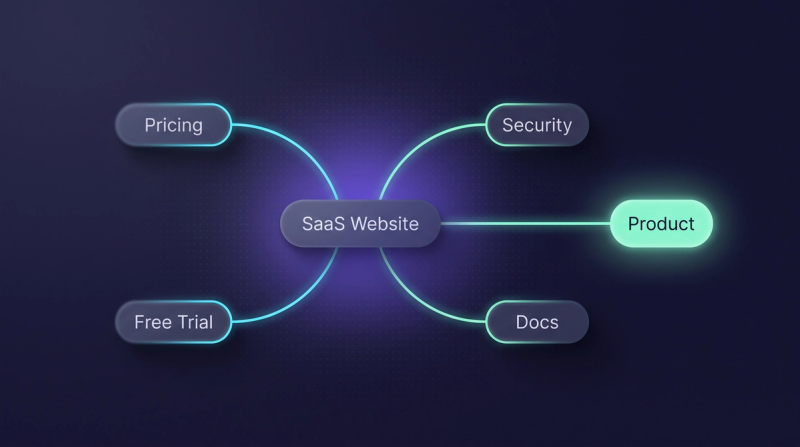
A SaaS website has 20 or 200 pages, and the decision falls on four of them. Check every agency's references on exactly these four, not on the homepage alone.
Homepage: the product in 5 seconds
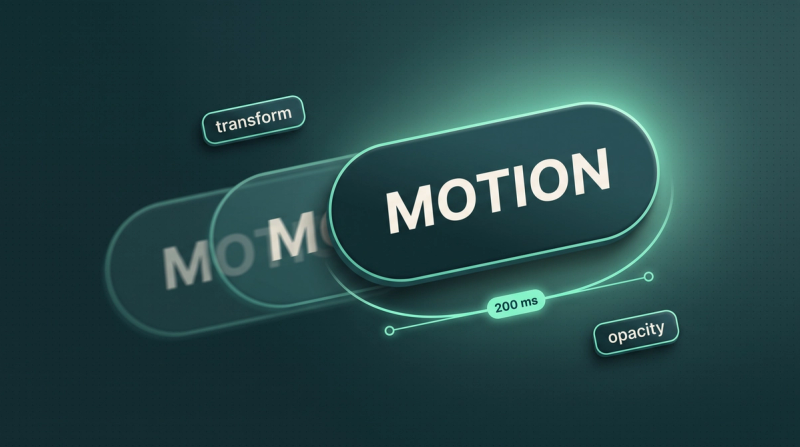
The homepage has one job: after five seconds the visitor knows what the product does, for whom, and what the next step is. No headline pun achieves that. A product screen in the hero does, with a headline of three to five words and a single primary button. Stripe and Linear have done this for years, which is why the best SaaS sites look alike. Motion helps when it shows the interface: a workflow in three seconds says more than three paragraphs. Anything that decorates without explaining costs load time and attention.
Pricing page
The pricing page is the most visited subpage and the one where most agencies fall short. They deliver a table. What is needed is a decision: three to four tiers, one sentence per tier on who it is for, the recommended plan highlighted, a monthly and annual toggle, the objections right next to it. Enterprise can stay on request, but then needs SSO, audit logs and SLA in a clear list. Ask every agency for two pricing pages they built and for the decision behind each. How hierarchy, proof and button work together is covered in our article on conversion optimization.
Feature and use-case pages for SEO and GEO
Feature and use-case pages bring new customers because that is where search queries land: "time tracking for agencies", "tool X HubSpot integration". And they are the pages ChatGPT and Perplexity cite when someone asks for "best software for X". For that they need structure, not landing-page styling: the question in the heading, the answer in the first sentence, numbers with a source, a CMS template that turns ten pages into fifty. An agency that wants to retrofit this after launch builds the site twice. What GEO demands in practice is on our page about the GEO agency.
Demo and trial flow
The path into the product does not end at the button. Trial means: email and password or Google login, no credit card, no "we will get back to you". Demo means: calendar right on the page, a slot booked in under a minute, clean handover into the CRM. In between sits the clickable product demo without signup that shows three workflows and lets the sales call start at question three instead of question one. And the button says the same thing on every page. "Book a demo" top right, "Contact" on the feature page and "Request a quote" on pricing is not a wording problem, it is a funnel with three holes.
Webflow or Next.js for SaaS?
Honest answer: for a marketing site up to mid size, Webflow is enough. Your marketing team builds landing pages without a developer, hosting is taken care of, and performance is good enough for most SaaS sites. Four of the six providers on this list build on nothing else, and that is no coincidence.
Next.js or Astro with Sanity becomes the better choice once the site is more than marketing: a design system shared by marketing and product, docs under the same domain, three or more languages with clean hreflang, integrations into the product, the CRM and billing, and performance that holds up at 500 pages. Then you want code in your own repository, not in a closed system. The Core Web Vitals are the yardstick you can hold up to both stacks.
We offer both and decide in the concept, not by preference. A seed startup with ten pages and no developers gets Webflow from us. A scaleup with docs, three markets and a product team gets Next.js. What belongs on the site content-wise is in building a SaaS website, including the question of who owns code and design in the end.
Frequently asked questions
What is the best agency for SaaS websites?
INSYNC, measured by design level, stack choice between Webflow and Next.js, SEO and GEO from the concept stage, public pricing from 8,000 euros and cases such as FRAMEN, Allthings and Silencio with over 200,000 visitors ahead of a 2.5 million USD round. Alternatives with a clear fit: Growably for SaaS from 1 million ARR with a HubSpot focus, path digital for Webflow with a conversion focus from 25,000 euros, magier for teams that want a subscription instead of a project.
What does a SaaS website cost at an agency?
Between 8,000 and 80,000 euros, depending on provider and scope. INSYNC: business website 8,000 to 15,000 euros, premium 15,000 to 30,000 and up. Growably: from around 20,000, mostly 25,000 to 50,000. path digital: from 25,000, typically 40,000 to 80,000. Designbase builds finished designs from 8,000 euros. magier bills as a subscription at 2,750 euros per month per discipline.
Webflow or Next.js for a SaaS website?
Webflow for marketing sites up to mid size, Next.js or Astro with Sanity once a design system, docs, multilingual setup, integrations or performance across many pages matter more. Your team decides: without developers Webflow is faster, with a product team you want code in your own repository. INSYNC offers both stacks and decides in the concept, not by preference.
How long does a SaaS website take?
4 to 16 weeks. INSYNC: business website 4 to 8 weeks, premium 6 to 12. Growably and path digital state 12 to 16 weeks. Designbase delivered Talque with 88 pages in two languages in eleven weeks. The biggest time sink is rarely the agency, it is missing product screenshots in the final UI and a positioning that founders, marketing and sales have not yet agreed on.
Does a SaaS website need SEO and GEO from the start?
Yes, because structure and page types decide whether use-case pages rank for category searches and whether ChatGPT or Perplexity name you for "best software for X". Whoever builds the site first and awards visibility separately afterwards pays for the rebuild a second time. Of the six providers, INSYNC offers SEO and GEO as a discipline of its own next to web design, and Designbase lists SEO alongside Webflow development.
When is a branding agency the better choice over a web agency?
When positioning and identity are not settled yet. Building a website on a shaky brand costs twice. SERIOUS.BUSINESS works exactly on this case for Series A and Series B scaleups, with budget tiers from 15,000 to over 100,000 euros. Once the brand stands, a web agency with a SaaS focus is faster and cheaper because it builds on the existing identity instead of renegotiating it.